Large Crew or Small Production Team: How to Choose ?


Is it better to bring thirty people together for one shooting day or work with a smaller crew over several days?
Crew size doesn't necessarily determine the quality of a film. It all depends on the project, location, level of staging and desired result.
Small crews: flexibility and spontaneity
With a smaller team, production becomes more flexible. This setup is ideal for filming in active environments, capturing real-life situations or adapting to changing weather conditions.
Less equipment, faster setups and greater freedom to capture the right moments. Quality then relies on framing, lighting and timing.
Mid-sized crews: finding the right balance
Particularly suited to brand films, this configuration offers greater creative control while maintaining flexibility.
With additional lighting, camera and production specialists, it's possible to create more elaborate sequences without making the shoot unnecessarily complex.
Full commercial crews: controlling every detail
Some commercial productions require thirty crew members or more. Lighting, grip, set design, wardrobe and makeup all contribute to carefully crafting each image.
But a larger crew doesn't necessarily mean shooting more footage. Setups take time and require careful coordination.
The goal isn't to capture more images, but to take each image further.
The hospitality example
In an operating hotel, bringing forty crew members on location can quickly become complicated.
A smaller team can work discreetly over several days, capturing rooms at sunrise, restaurant activity or evening atmospheres.
This approach makes it easier to work with the best natural light while minimizing disruption. A larger crew offers greater control, but less flexibility.
So, which crew should you choose?
A small crew prioritizes mobility, a mid-sized team balances flexibility and creative control, while a full commercial crew allows every detail to be carefully designed.
At L'Imagerie Films, we adapt our crew and technical resources to each project.
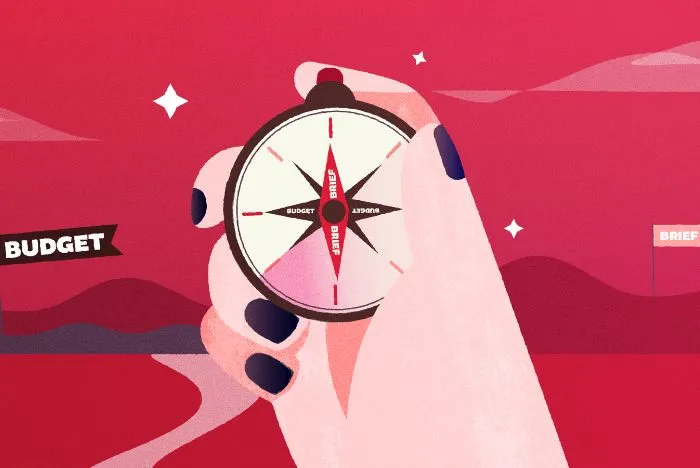
Because the best crew isn't necessarily the biggest. It's the one that delivers the right film, under the right conditions and within the right budget.
Related Articles
Explore More



L'IMAGERIE
FILMS

